Green Initiatives: How E-Waste Recycling Services Are Protecting Our Planet
E-waste represents a considerable hazard to the environment, as disposed electronics frequently harbor hazardous substances. These hazardous substances can contaminate soil and water, causing extensive damage to surrounding ecosystems. E-waste recycling services present a viable solution. They not only recover valuable resources but also mitigate pollution. Understanding how these services operate and their impact on communities is essential. The path to successful electronic waste management prompts vital discussions about personal accountability and communal efforts. What measures can be pursued from this point onward?
Why E-Waste Is Bad for the Planet
Although technological advancements improve contemporary living, e-waste creates considerable environmental hazards. Abandoned electronic gadgets, often containing toxic substances including mercury, lead, and cadmium, can leach toxins into groundwater and soil, creating hazards for ecosystems and human health. The rapid pace of technological advancement contributes to higher rates of electronics disposal among consumers, intensifying the growing problem of e-waste.
Landfills, already strained by waste, are unable to keep up with the rising quantities of abandoned electronics. Incineration, another disposal method, releases harmful pollutants into the atmosphere, contributing to air quality degradation. In addition, improper recycling practices can lead to the exportation of e-waste to developing countries, where laborers may dismantle devices without adequate safety measures, exposing themselves to dangerous substances. This pattern of negligence and mismanagement highlights the critical demand for eco-friendly recycling alternatives that can reduce the damaging impact of electronic waste on the environment.
What Is E-Waste and Its Importance?
E-waste, also referred to as electronic waste, includes unwanted electronic equipment including smartphones, computers, and televisions that have reached the end of their useful life. This growing category of waste is significant owing to its accelerating volume, driven by technological advancements and consumer trends. As more devices become obsolete, the toll on the environment grows more severe, with harmful substances like lead, mercury, and cadmium posing risks to ecosystems and human health.
Addressing e-waste is crucial not only for reducing these dangers but also for acknowledging the precious materials found within it. Precious metals and rare earth elements can be recovered and reused, reducing the need for mining and conserving natural resources. Through a deeper awareness of e-waste and its consequences, both individuals and organizations can make well-informed choices regarding disposal and recycling, thereby supporting a more sustainable future. Effective handling of e-waste is vital for encouraging a circular economy and advancing environmental responsibility.
How the E-Waste Recycling Process Works
Recycling e-waste involves a structured approach intended to extract beneficial components while limiting ecological damage. To begin, electronic waste is gathered Explore now and delivered to dedicated processing centers. After reaching the facility, the equipment is meticulously organized to separate hazardous components from recyclable materials.
After this step, employees dismantle the devices, separating plastics, metals, and glass. This stage is crucial, as it makes possible the extraction of high-value metals like gold, silver, and copper, which may be utilized in new electronic products.
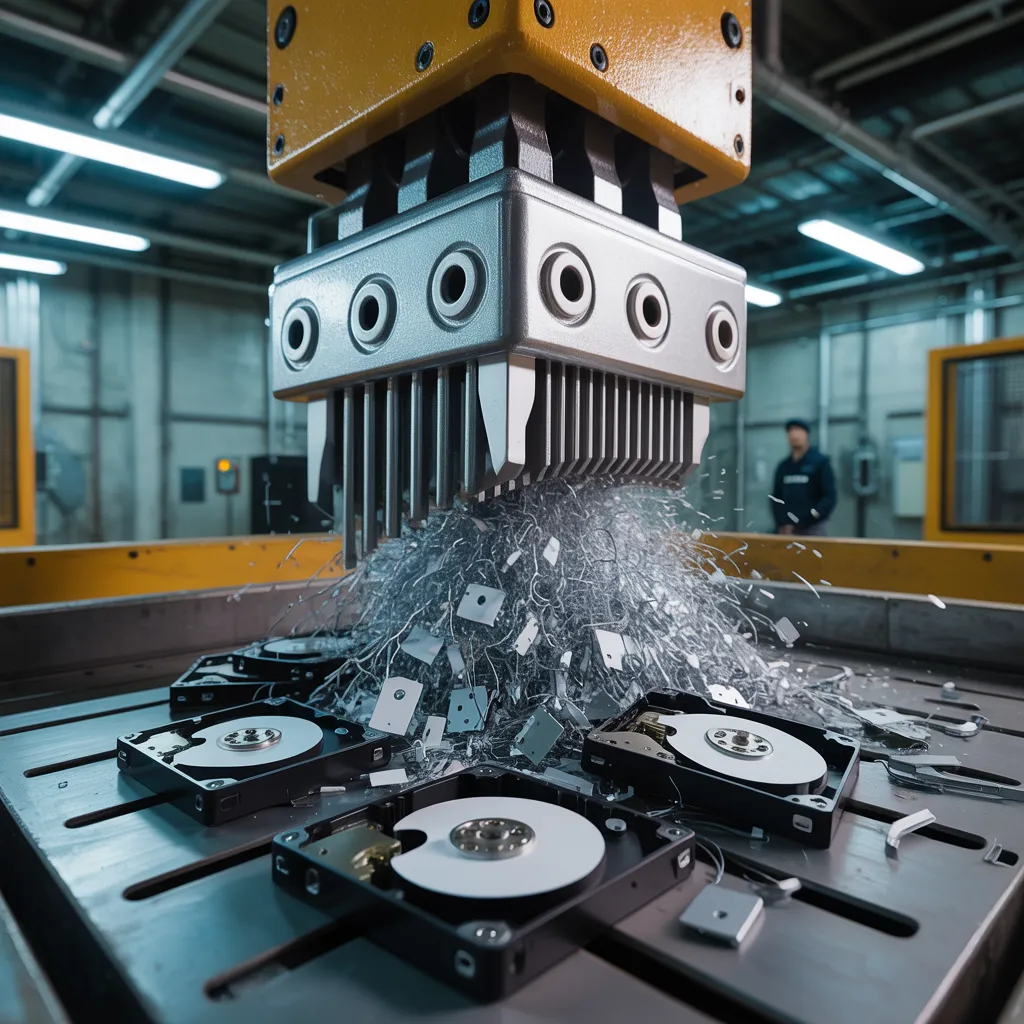
Subsequently, the sorted materials are refined with cutting-edge techniques, such as chemical treatments and shredding, to purify them for reuse.
In the final step, the residual hazardous materials are disposed of responsibly, following environmental regulations. This multi-step approach not only saves important resources but also reduces the dangers connected to irresponsible electronic waste disposal, securing a more eco-conscious future for electronic device usage.
Benefits of E-Waste Recycling for You and Your Community
Although it often goes unnoticed, the benefits of e-waste recycling reach well past personal use to meaningfully influence entire communities. By responsibly disposing of electronic waste, individuals contribute to a healthier environment, reducing toxic components that can leach into soil and water. This responsible method helps preserve local ecosystems and supports public health.
In addition, electronic waste recycling supports employment opportunities within local communities. Nearby recycling establishments regularly need employees for numerous tasks, spanning collection through processing, thereby providing employment opportunities for community members. This not only stimulates the local economy but also inspires community dedication to sustainable efforts.
Additionally, awareness of e-waste recycling has the potential to generate awareness campaigns, encouraging residents to adopt eco-friendly choices. By engaging with e-waste recycling programs, individuals nurture a culture of sustainability, prompting others to join the movement. In summary, the cumulative impact of these actions can contribute to a more strong and environmentally aware community.
A Guide to Selecting an E-Waste Recycling Service
Selecting the most suitable electronic waste recycling provider is vital for guaranteeing that electronic refuse is handled in a responsible and sustainable manner. First, people should check the provider's credentials, such as e-Stewards or R2, which signify compliance with industry standards for safe recycling practices. Additionally, it is advisable to evaluate the provider's standing by checking reviews and seeking advice from dependable sources.
Moreover, clarity in the recycling process is essential. A trustworthy provider should provide clear information about the way e-waste is handled and how the materials are utilized. Moreover, considering the scope of services provided can prove valuable; certain providers may offer collection services or present rewards for recycling.
In addition, familiarizing yourself with local guidelines related to e-waste disposal can additionally influence the decision-making process. Through focusing on these key aspects, consumers can play a role in responsible e-waste disposal alongside encouraging eco-friendly habits.
How You Can Get Involved in E-Waste Recycling?
Getting involved with e-waste recycling may begin at the local level, where community recycling hubs frequently offer essential services for proper disposal. Moreover, participating in community awareness campaigns can strengthen efforts to raise awareness about the importance of proper e-waste handling. These actions not only advance environmental sustainability but also cultivate a collective sense of accountability for the environment.
Community Recycling Locations
A wide range of regional recycling hubs perform an important function in the recycling of e-waste, supplying communities with reliable ways to handle electronic waste in a responsible manner. These facilities handle a range of digital devices, including used computers, handheld devices, and televisions, guaranteeing that dangerous substances are processed safely. Many hubs feature qualified professionals who are able to assist individuals with correct disposal techniques, underscoring the benefits of recycling compared to landfilling. Furthermore, several stations organize planned drop-off gatherings or set collection days, making participation convenient for residents. By utilizing these local services, individuals contribute to a circular economy, minimizing ecological impact and fostering sustainable behaviors. Working alongside these hubs enables communities to combat e-waste pollution successfully.
Public Awareness Initiatives
Community groups, educational institutions, and companies can partner to arrange initiatives that encourage e-waste collection drives. Community members can serve a critical function in spreading awareness, distributing educational materials, and engaging with the community. As a result of these combined actions, residents become more informed and motivated to recycle their electronic waste, ultimately contributing to a more sustainable future.
Common Questions and Answers
What Types of Electronics Can Be Recycled?
Many different electronics may be recycled, including smartphones, computers, laptops, televisions, printers, and gaming consoles. Furthermore, ancillary devices such as batteries, keyboards, and mice are equally appropriate for recycling, contributing to environmental conservation efforts.
Do Any Costs Come With E-Waste Recycling?
That's correct, electronic waste recycling can include fees, depending on the facility. Some service centers apply costs for pickup or handling, while others provide no-cost solutions, often subsidized by the proceeds from salvaged materials.
How Can Businesses Benefit From E-Waste Recycling?
Companies can take advantage of e-waste recycling by lowering disposal expenses, strengthening their ecological standing, complying with regulations, recovering valuable materials, and potentially generating revenue through resale, ultimately contributing to a more sustainable operational strategy.
What Happens to Data on Recycled Devices?
Information regarding recycled electronics is frequently completely removed or obliterated during processing. This confirms private details stays protected, preventing unauthorized access while enabling materials to be reused safely and responsibly across new manufacturing processes.
Can I Recycle Broken Electronics?
Indeed, broken electronics are able to be recycled. Numerous facilities process damaged devices, providing proper disposal and retrieval of precious materials. Doing so helps reduce harm to the environment while encouraging sustainable recycling habits to address electronic waste effectively.